
NASA and the State
Deception PointThis flow examines the clash between NASA’s scientific independence, intelligence demands for secrecy, and political efforts to control the agency’s future.
increasing Bearing strength in each event
 decreasing
Bearing strength in each eventdecreasingTwo Space Agencies

Two Space Agencies
Opposing cultures
NASA publicizes scientific breakthroughs, hoping to sustain public interest and support. The National Reconnaissance Office treats space technology as a security asset and favors secrecy.
The agencies’ different missions make cooperation necessary but tense. NASA develops systems that intelligence agencies may want to classify or use in ways the scientists did not intend.
The cost of openness
NASA’s public culture can expose sensitive technology, while its limited funding makes security more difficult. Pickering interprets those weaknesses as a national danger.
The tension is not easily solved by calling one institution responsible and the other careless; it reflects a genuine conflict between knowledge-sharing and strategic control.
A Proposal Rejected
A Proposal Rejected
Intelligence oversight
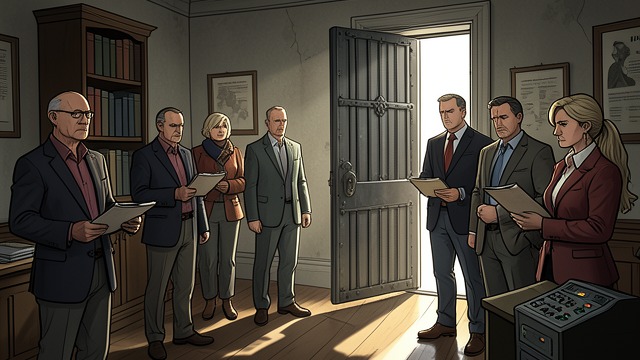
Pickering and other officials urge the White House to bring NASA under the intelligence community’s security umbrella. They argue that secrecy and reliable funding would protect technologies and reduce harmful leaks.
Lawrence Ekstrom resists, arguing that NASA’s scientific purpose depends on curiosity and independence rather than military priorities.
Herney’s boundary
Zachary Herney rejects the idea that control of NASA’s budget should pass to institutions with different objectives. He fears that intelligence oversight would redirect pure research toward military needs.
The disagreement leaves Pickering convinced that conventional policy cannot protect NASA from privatization or political decline.
A Market at the Frontier
A Market at the Frontier
Privatization’s appeal
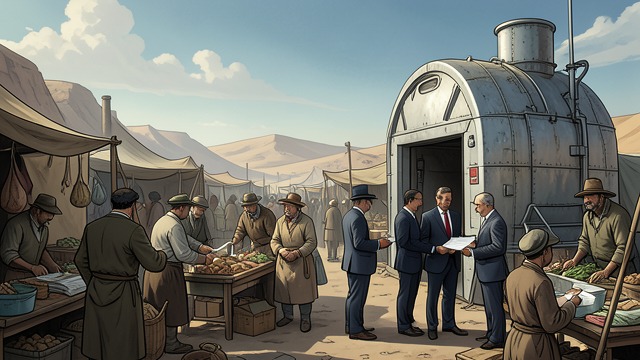
Marjorie Tench explains why private aerospace firms want NASA assets and why Sexton’s support matters to their plans. Commercial operators promise efficiency and new investment, but their goals are tied to profit.
Gabrielle initially sees the promise of competition, while Tench warns that scientific research without immediate returns could be abandoned.
Competing futures
The dispute extends beyond budgets to questions of access, ownership, and environmental responsibility in space. The public frontier could become a commercial domain shaped by those able to pay.
NASA’s survival is therefore presented as a choice about what kinds of knowledge and public purposes government should protect.
Pickering’s Intervention
Pickering’s Intervention
Saving NASA by deception
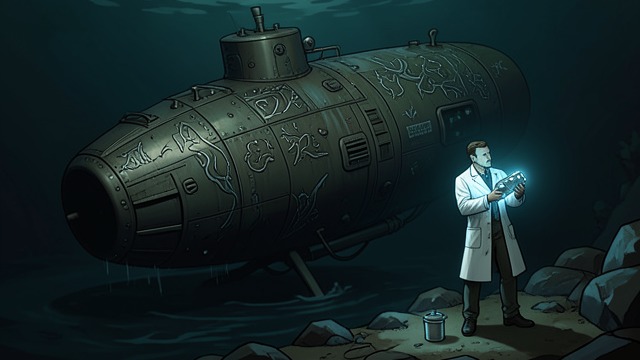
Pickering believes the agency’s political vulnerability threatens both scientific capability and national security. When policy fails, he decides a dramatic discovery can restore public support.
He uses secret technology and deep-sea discoveries to stage a meteorite find, treating the manufactured narrative as a necessary defense of NASA.
Means reshape the mission
The strategy does not protect NASA’s public purpose; it undermines trust in the scientific process that gives the agency legitimacy. The agency’s image is preserved temporarily through a lie that ultimately threatens to destroy its credibility.
The attempt shows how national-security reasoning can slide into political engineering when accountability is excluded.
A Public Admission
A Public Admission
Herney accepts responsibility
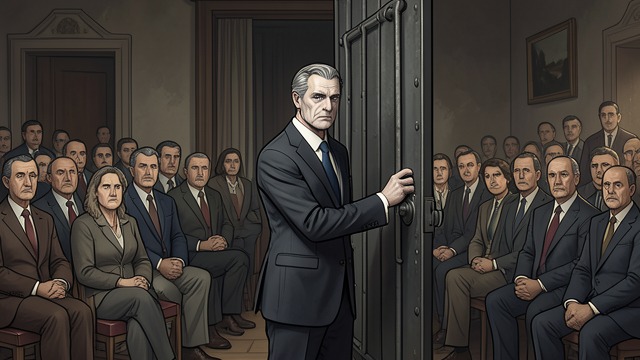
After learning the extent of the deception, Herney publicly admits that the supposed discovery was wrong. He distinguishes his own error from the larger hoax but does not pretend the public announcement was harmless.
His candor contrasts with Pickering’s secrecy and Sexton’s opportunism, showing a different model of political responsibility.
Trust after failure
NASA suffers reputational damage, and the administration must rebuild public confidence. Yet an honest correction preserves the possibility that scientific institutions can learn from failure.
The ending does not resolve the larger struggle over secrecy, funding, and privatization. It makes clear that institutional survival cannot be purchased at any cost.
Before the discovery
Several months before the announcement
During Gabrielle’s meeting with Tench
Before the staged discovery
The evening after the confrontation
